



Solutions

Zero Trust Security

Verify every user, device, and connection. Eliminate implicit trust.

Perimeter-based security no longer works. Users, devices, and applications now operate across cloud services, remote networks, and unmanaged environments far beyond the reach of traditional VPNs and static access controls.

4Remote’s Zero Trust Security capability enforces continuous verification of identity, device posture, and context, ensuring access is granted only when it is explicitly earned and continuously validated.

The problem

Most organisations still rely on trust models that assume users and devices are safe once connected.

VPNs extend the network perimeter to insecure environments. Users often retain excessive privileges long after they need them. Device health, network context, and real-time risk are rarely considered once access is granted.

This results in

  • excessive lateral movement during breaches
  • slow access revocation when users leave
  • poor visibility into who can access what
  • stalled zero trust initiatives due to complexity
  • When trust is implicit, breaches become inevitable.

You cannot secure what you cannot see.

How 4Remote solves the problem

4Remote delivers practical, deployable zero trust, grounded in real asset visibility and continuous risk assessment.

Continuous verification

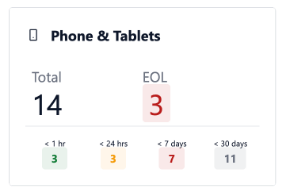
Every access request is evaluated in real time using identity, device posture, network context, and risk signals.
Context-aware access control

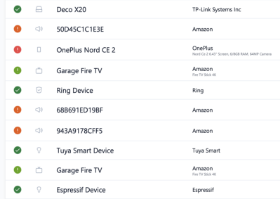
Access decisions adapt dynamically based on changing conditions, not static rules or network location.
Reduced blast radius

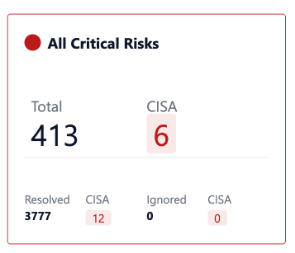
Users and devices only receive the minimum access required, limiting lateral movement during incidents.
Zero trust built on visibility

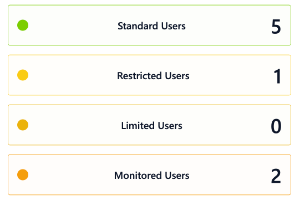
Accurate asset intelligence ensures policies are based on reality, not assumptions.
Real world use cases

Replacing legacy VPN infrastructure

Move away from perimeter-based access models without disrupting users.

Securing access to cloud and SaaS applications

Ensure only trusted users and devices can access critical services.

Insider threat mitigation

Limit the impact of compromised credentials or malicious insiders.

Compliance-driven access control

Support zero trust principles aligned with modern frameworks and regulations.